

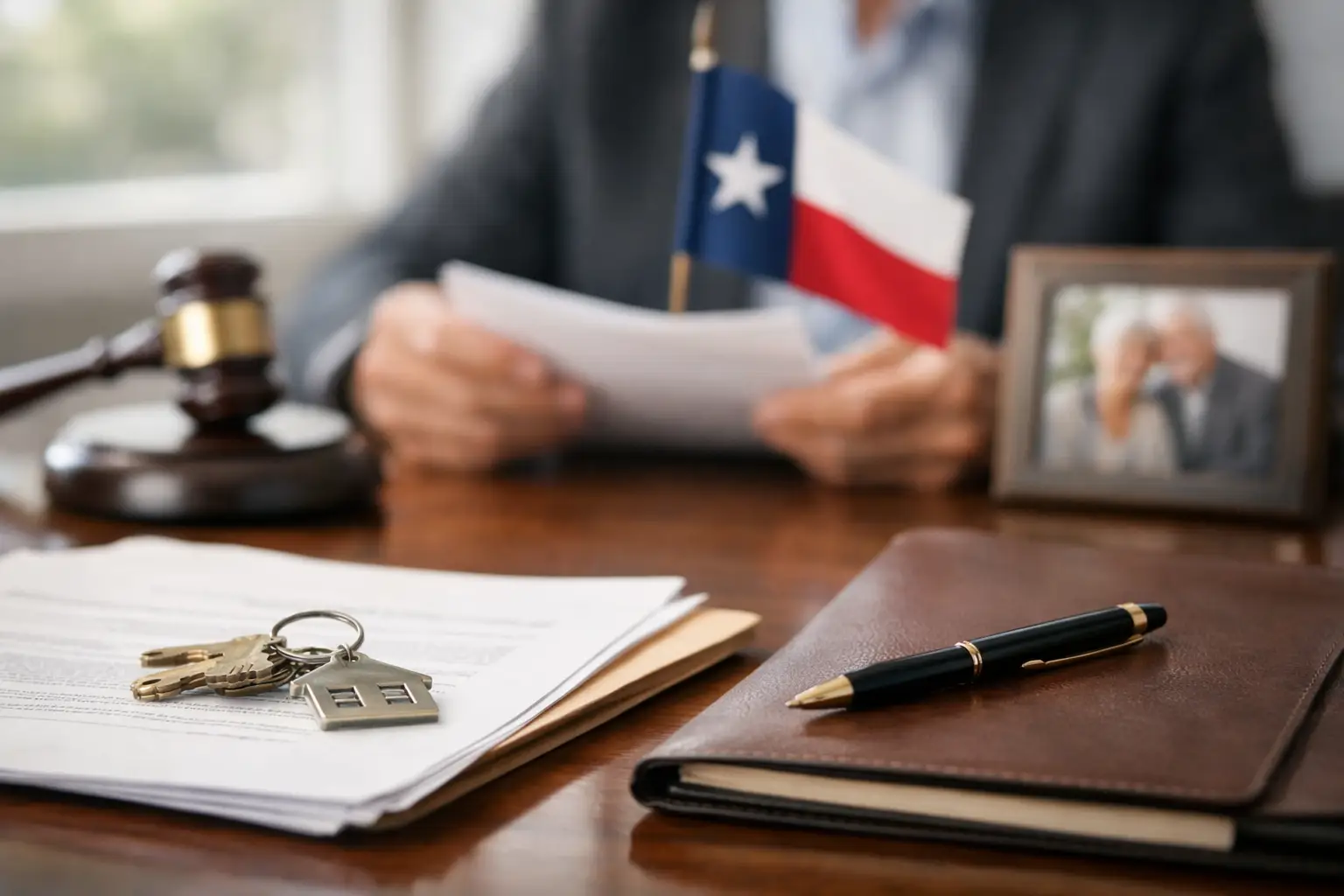
When a loved one dies, the person named as executor is often handed a role that feels both personal and overwhelming. Executor duties after death in Texas begin well before anyone receives property from the estate. There may be a home to protect, bills arriving every day, family members asking questions, and a court process that cannot be skipped simply because the family is grieving.
An executor is responsible for carrying out the deceased person’s will and managing the estate with care. That responsibility is a legal duty, not just a family favor. The right next step depends on the will, the property involved, the debts owed, and whether the probate court grants independent or dependent administration.
Start by Protecting the Estate
The executor’s first responsibility is to protect what the deceased person left behind. That usually means securing the home, vehicles, financial records, valuables, mail, and digital accounts. If a house will sit empty, the executor should make sure it remains insured, maintained, and safe from damage or unauthorized entry.
Gather the original will, death certificates, account statements, deeds, vehicle titles, insurance policies, recent tax returns, and a list of known debts. Family members may have copies of documents, but the original signed will is particularly significant in probate. A copy may create additional legal issues and delay the process.
The executor should also avoid distributing jewelry, vehicles, cash, or household items too soon. A family understanding may seem clear at first, but early transfers can cause conflict if the will, creditor claims, or court orders say something different. Keeping a careful written record from the beginning protects both the estate and the executor.
Open the Texas Probate Case
A will does not give an executor immediate authority to act for the estate. In most cases, the executor must file an application with the appropriate Texas probate court and ask the court to admit the will to probate. After the required notice period and hearing, the court may appoint the executor.
Once appointed, the executor generally takes an oath and may need to post a bond unless the will waives that requirement or the court decides otherwise. The court then issues Letters Testamentary. These letters are the documents banks, title companies, and other institutions commonly require before recognizing the executor’s authority.
Texas estates are often handled through independent administration, particularly when the will requests it. An independent executor has more freedom to manage ordinary estate business without returning to court for approval at every turn. That can reduce expense and delay. Dependent administration involves closer court supervision and may be necessary when a will requires it, heirs disagree, or estate circumstances call for added oversight.
Understand the Core Executor Duties After Death in Texas
After appointment, the executor must identify the estate’s assets and obligations. This includes bank accounts owned solely by the deceased person, real estate, vehicles, business interests, personal property, refunds, unpaid wages, and potential claims owed to the deceased.
Not everything a person owned becomes part of probate. Life insurance with a named beneficiary, payable-on-death bank accounts, retirement accounts with valid beneficiary designations, and property held with survivorship rights may pass outside the estate. Still, those assets should be reviewed carefully. A missing beneficiary, an outdated designation, or unclear ownership can change the analysis.
The executor must also determine which debts are legitimate and how they should be handled. Funeral costs, final medical bills, taxes, mortgages, credit cards, and business obligations may all be part of the picture. The estate pays valid obligations from estate assets in the order required by law. An executor should not pay a debt merely because a caller demands payment or because a family member believes it is owed.
The executor is generally not personally responsible for the deceased person’s debts simply because they accepted the role. Personal liability can arise, however, if the executor mishandles assets, ignores required duties, distributes property prematurely, commingles estate funds with personal funds, or pays the wrong parties ahead of higher-priority obligations.
Give Required Notices and Meet Deadlines
Texas probate administration has deadlines that deserve prompt attention. An executor may need to provide notice to beneficiaries and heirs, publish notice to creditors, and send direct notice to certain known creditors. The exact notices and deadlines depend on the type of administration and the facts of the estate.
The executor also typically files an inventory, appraisement, and list of claims with the court, unless an alternative procedure is available and appropriate. This filing identifies estate property and provides a clearer financial picture. It is not wise to guess at values, particularly when the estate includes land, closely held business interests, collections, mineral interests, or property with uncertain title.
Good estate administration depends on documentation. Maintain a separate estate bank account when appropriate, keep receipts, record deposits and payments, and preserve communications involving creditor claims or asset transfers. Clear records can prevent suspicions among beneficiaries and make a final accounting far easier if one becomes necessary.
Manage Property With Care
An executor may need to keep a business operating briefly, collect rent, sell property, repair a residence, or work with a title company to transfer real estate. Each decision should be measured against the executor’s duty to preserve estate value and follow the will.
A sale is not always the right answer. Sometimes heirs prefer to keep a family home, and the estate has sufficient cash to pay its expenses. In other cases, a sale is necessary because the estate needs money for debts, taxes, maintenance, or an equal distribution among beneficiaries. The executor should not allow emotion alone to control a financial decision that affects every interested person.
Texas law also recognizes protections involving a surviving spouse, minor children, homestead rights, exempt property, and possible family allowances. These rights can affect what property is available for creditors and distribution. They can be especially significant when the family home is involved.
Resolve Disputes Before They Grow
Probate disputes can arise even in close families. One beneficiary may question a property valuation. Another may believe the executor is taking too long. Someone may challenge the will, claim the deceased promised them an asset, or accuse another person of taking property before death.
The executor should communicate respectfully, but should not make promises outside the will or the court’s authority. A calm update about the status of probate can reduce tension. At the same time, the executor must remain neutral among beneficiaries and act for the estate rather than favoring one relative.
When disputes involve allegations of wrongdoing, unclear title, creditor pressure, or contested instructions in a will, legal guidance can protect the executor from costly mistakes. Waiting until money has been distributed or property has been sold can limit the available options.
Distribute Assets and Close the Estate
Distribution comes after the executor has identified assets, addressed valid debts and expenses, handled required notices and filings, and confirmed what remains for beneficiaries. The will controls distribution when it is valid and properly admitted to probate. If there is no will, Texas intestacy law determines who inherits, which may not match what the family assumes.
Before transferring final assets, the executor should verify the beneficiary’s identity, obtain any needed receipts or releases, and make sure estate records support the distribution. Real estate transfers may require particular documents, and an executor should not assume a handwritten family agreement is enough to establish ownership.
Serving as executor is an act of trust during a difficult season. Prompt action, careful records, and honest communication can keep that responsibility from becoming a burden on the family. For families in Texarkana and across Texas, John Delk Attorney at Law can provide clear guidance when probate responsibilities become more complicated than expected.

